
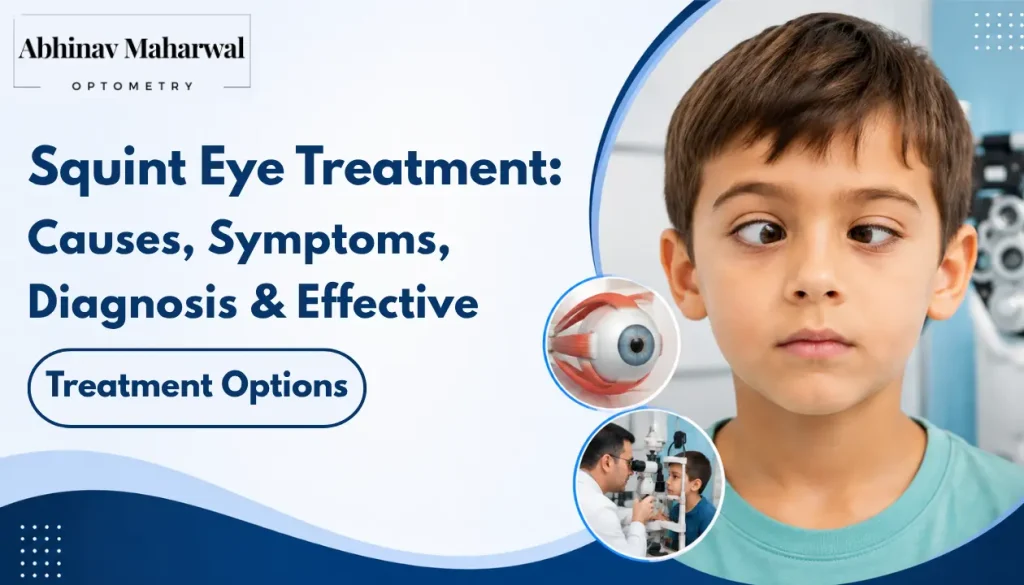
Squint eye (strabismus) occurs when the eyes do not align properly. Treatment depends on its cause, severity, age, and visual needs and may include glasses, prism lenses, vision therapy, personalized exercises, or surgery in selected cases. A comprehensive eye and binocular vision assessment is important to determine the most suitable treatment.
Squint, which is also called strabismus, is a condition where both eyes don’t line up or work together correctly. One eye can look in different directions, like towards the inside, outside, up, or down, while the other eye stays focused straight ahead.
Squint can happen to both kids and grown-ups, and it might sometimes go along with issues like trouble seeing things clearly in three dimensions, seeing two images at the same time, or having less overall vision.
The good news is that squint eye treatment is available through different approaches depending on the cause, age, type, severity, and visual needs of the individual. Treatment may include prescription glasses, prism lenses, vision therapy, eye exercises, or surgery in selected cases.
A detailed eye and binocular vision assessment is important before choosing the appropriate treatment.
What Is Squint Eye?
Squint is a condition where the eyes are not lined up correctly with each other. Instead of both eyes looking at the same thing at the same time, one eye might look in a different direction.
The condition might always be there or happen only at certain times, like when someone is tired or looking at something from a specific distance.
Squint can interfere with binocular vision, which allows the brain to combine information from both eyes and helps with depth perception and accurate visual judgment. In children, untreated squint may also be associated with amblyopia or lazy eye, making early assessment particularly important.
What Causes Squint Eyes?
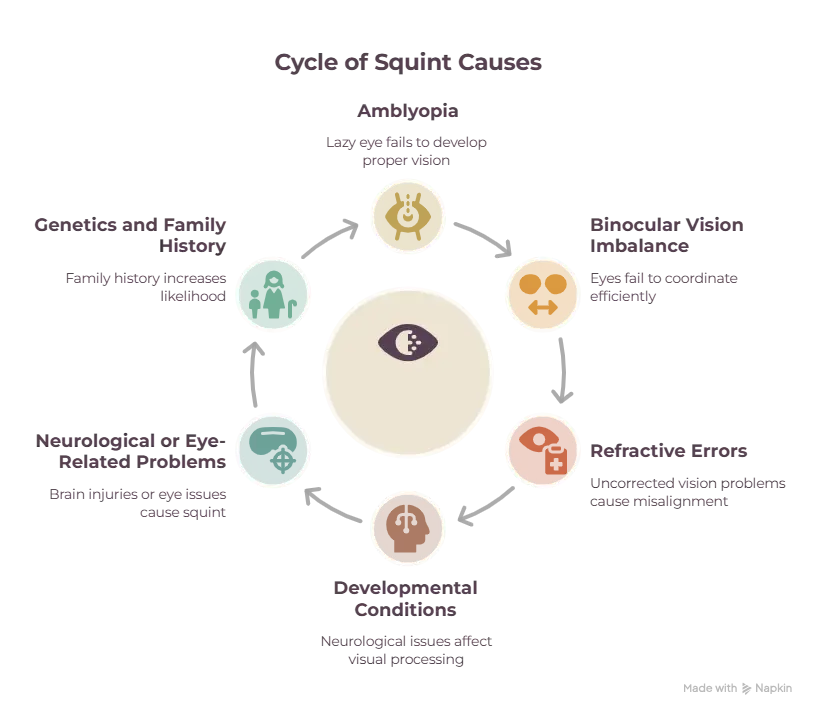
There is no single cause of squint. The condition can develop because of problems involving eye alignment, binocular vision, visual development, refractive errors, or the neurological control of eye movements.
Common Causes of Squint
1. Amblyopia or Lazy Eye
Amblyopia happens when one eye fails to develop proper vision during childhood. If the brain gets mixed up or confusing visual signals, it can sometimes cause the eyes to not line up properly.
2. Binocular Vision Imbalance
Both eyes need to coordinate efficiently to maintain comfortable and stable vision. Problems with binocular vision can contribute to eye misalignment in some individuals.
3. Refractive Errors
Uncorrected or major vision problems, especially in kids, can sometimes cause issues with how the eyes line up. Getting the right eye prescription is a key part of diagnosing a problem.
4. Developmental Conditions
Some children may develop squint alongside developmental or neurological conditions that affect visual processing and eye coordination.
5. Neurological or Eye-Related Problems
Some brain issues, injuries, being paralyzed, or other eye problems can sometimes cause a squint that is acquired. A sudden squint in an adult needs to be checked right away by a professional who takes care of eyes.
6. Genetics and Family History
A family history of strabismus or other visual development problems may increase the likelihood of developing squint.
The causes listed above are not exhaustive, and the underlying reason can vary considerably from one patient to another.
What Are the Symptoms of Squint?
The most noticeable sign of squint is an eye that appears to point in a different direction. However, some people may have less obvious symptoms, especially when the eye deviation is intermittent.
Common Signs and Symptoms
1. Misaligned Eyes

One eye may turn inward, outward, upward, or downward while the other eye remains focused on an object.
2. Double Vision
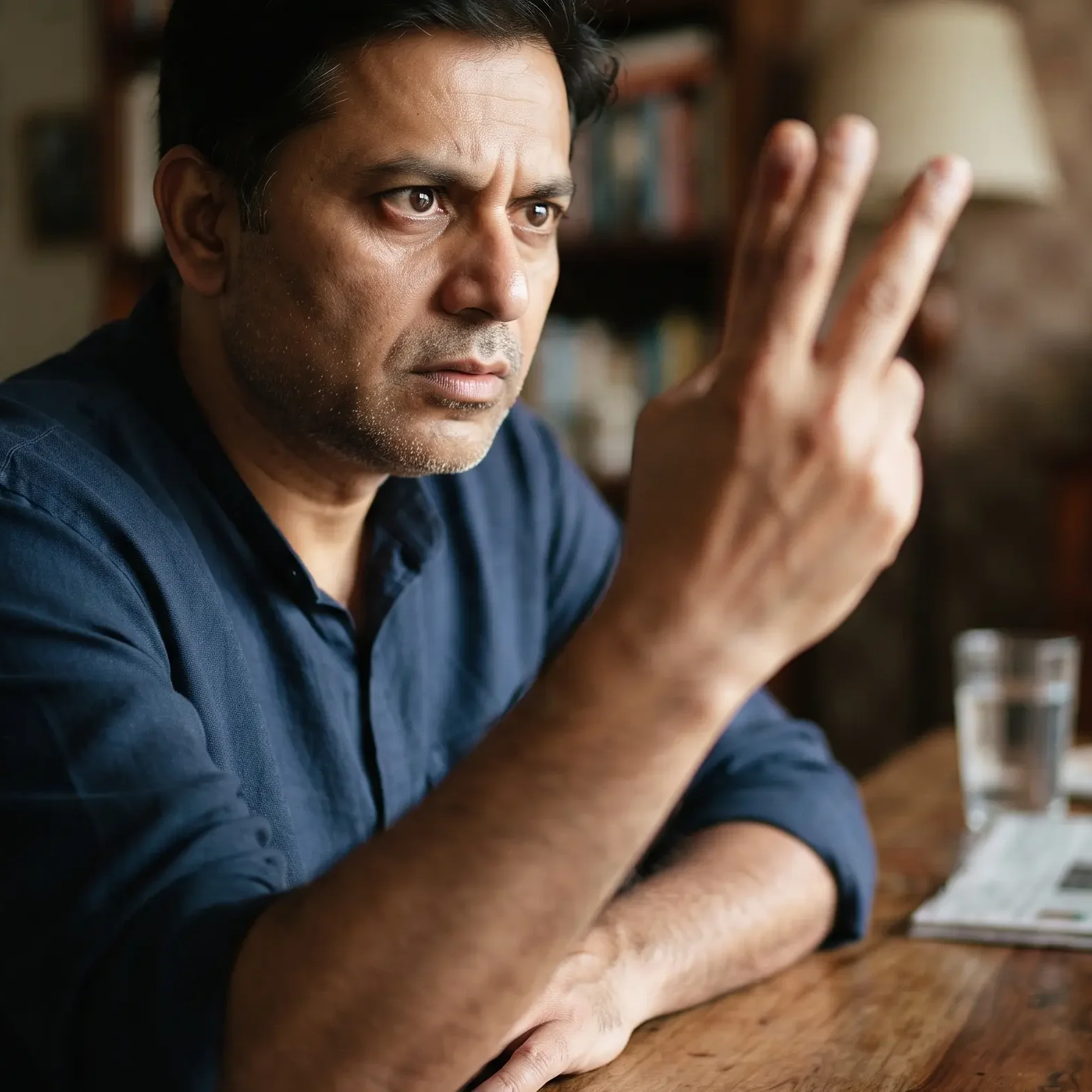
Older children and adults with certain types of squint may experience diplopia or double vision.
3. Head Tilting or Turning

A child may tilt or turn their head to find a position in which vision feels more comfortable.
4. Closing One Eye
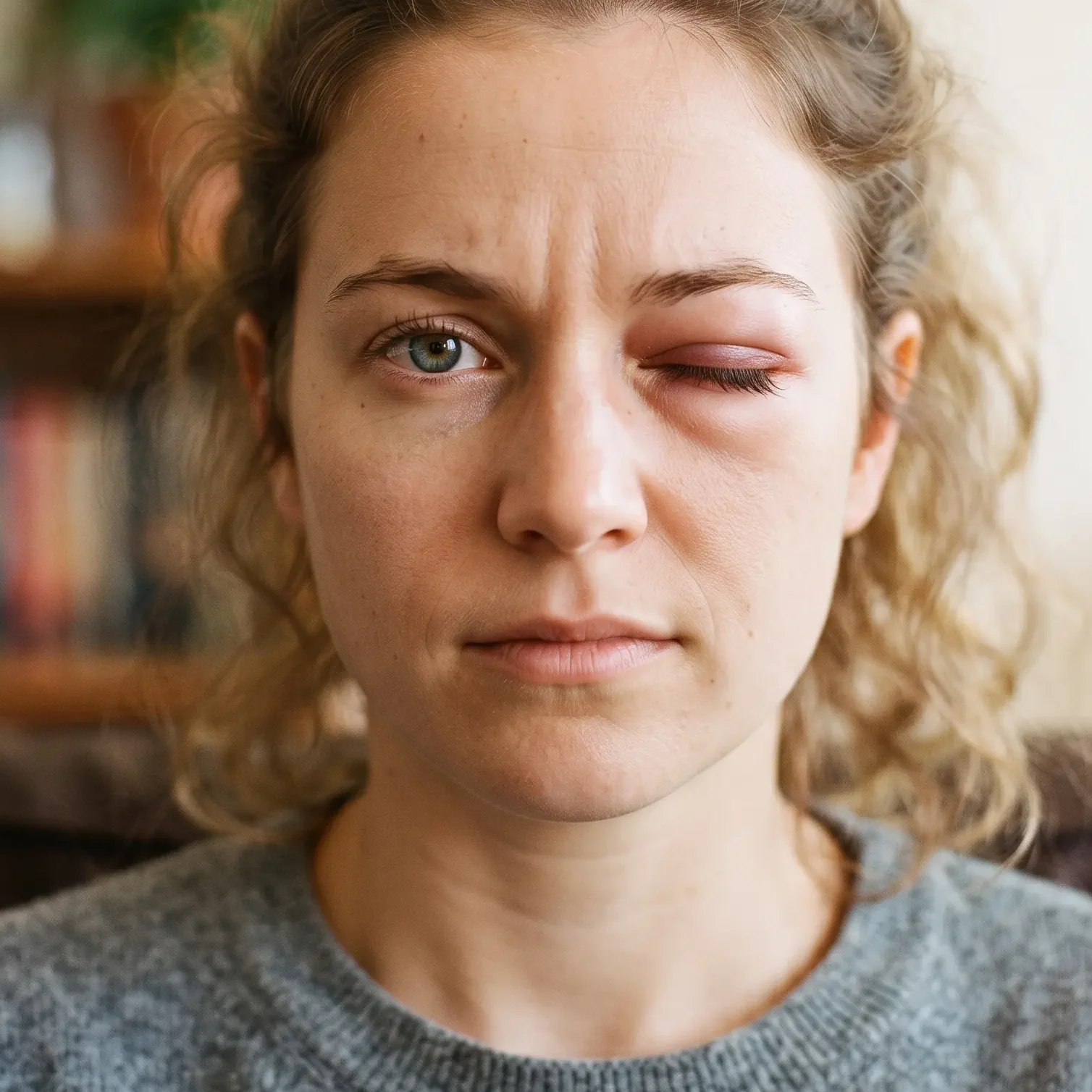
Some people may close one eye, particularly in bright light or while focusing on a specific object.
5. Poor Depth Perception
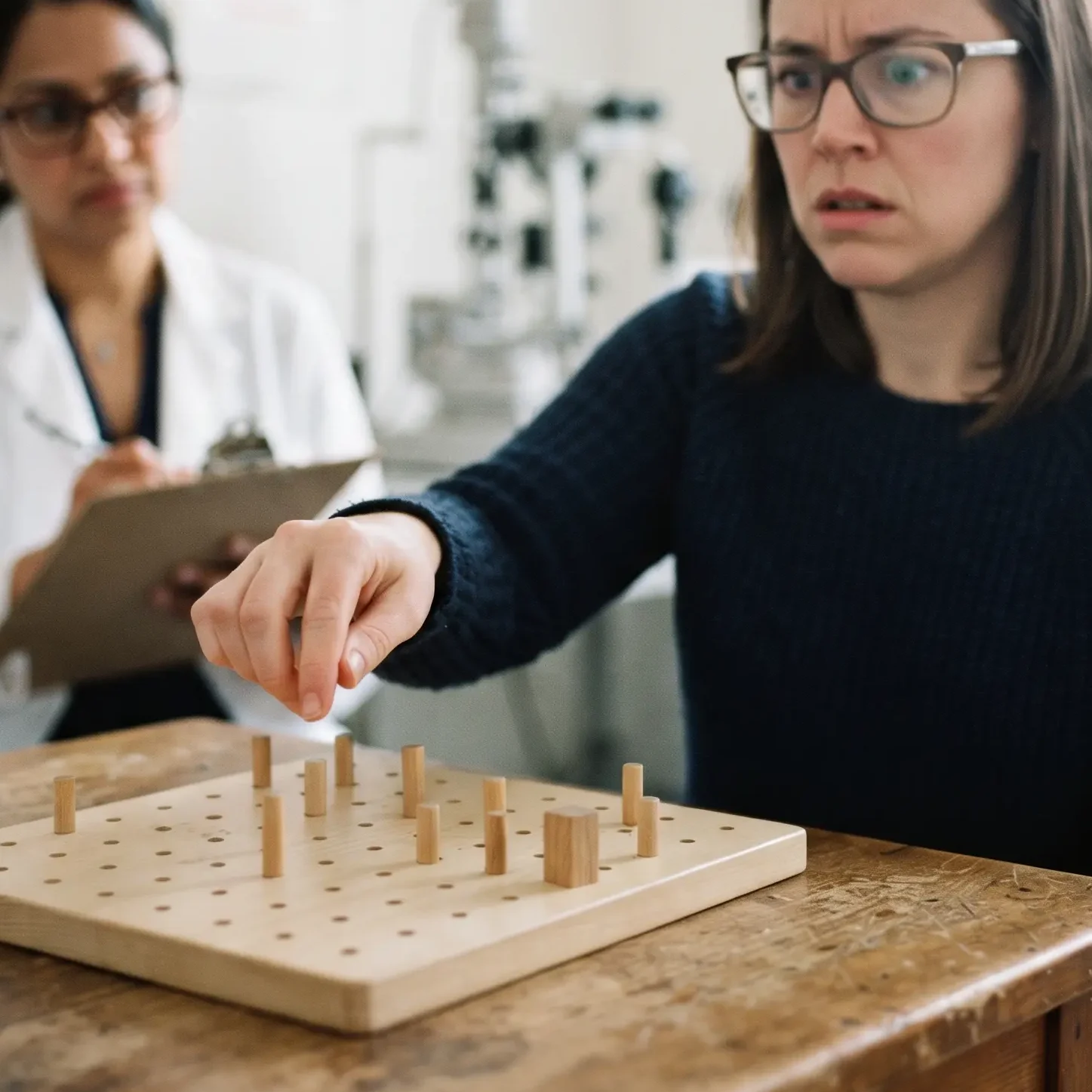
Difficulty judging distances or understanding 3D relationships can occur when the eyes are not working together effectively.
6. Eye Strain or Visual Discomfort
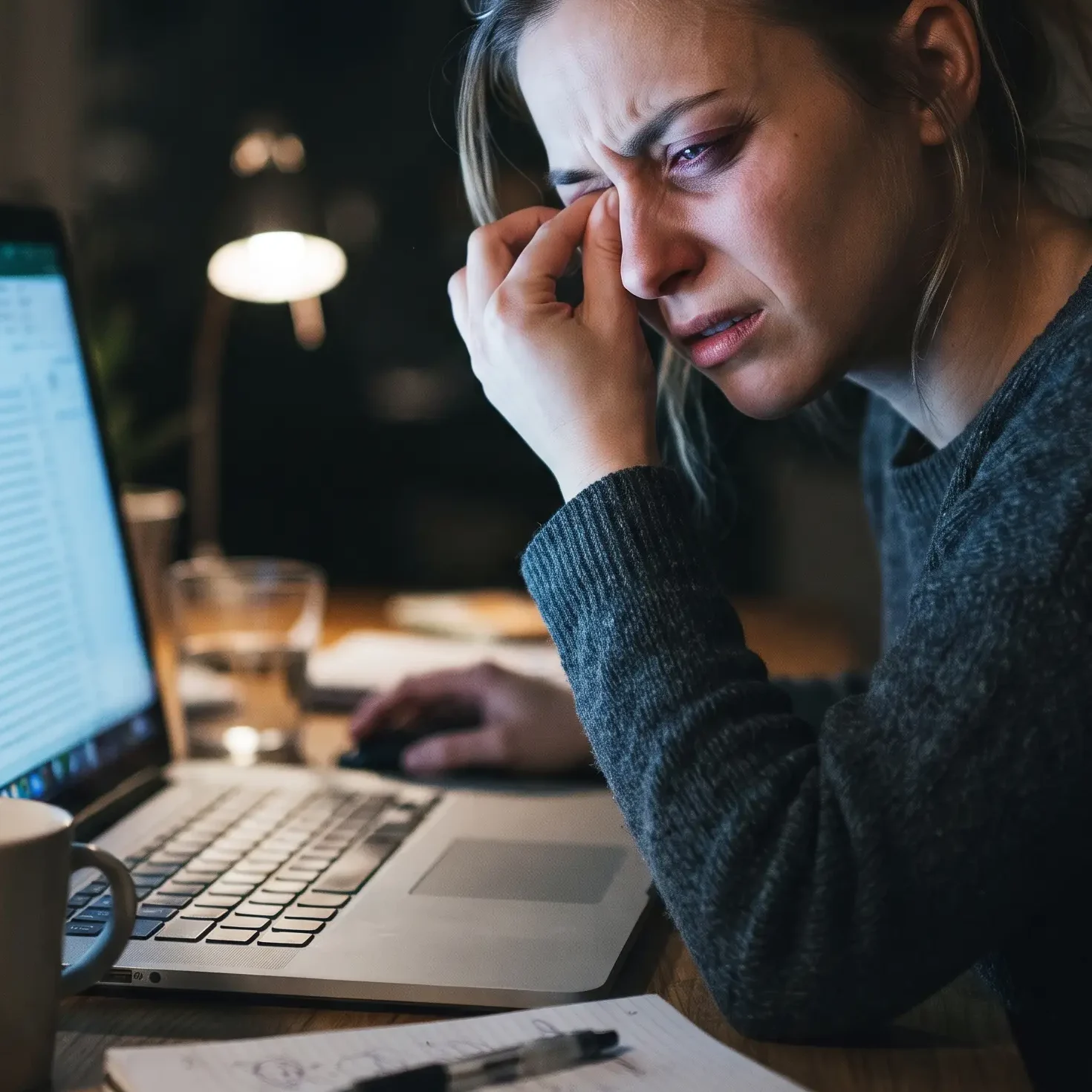
Some individuals may experience fatigue, discomfort, or difficulty maintaining visual attention.
7. Poor Hand-Eye Coordination
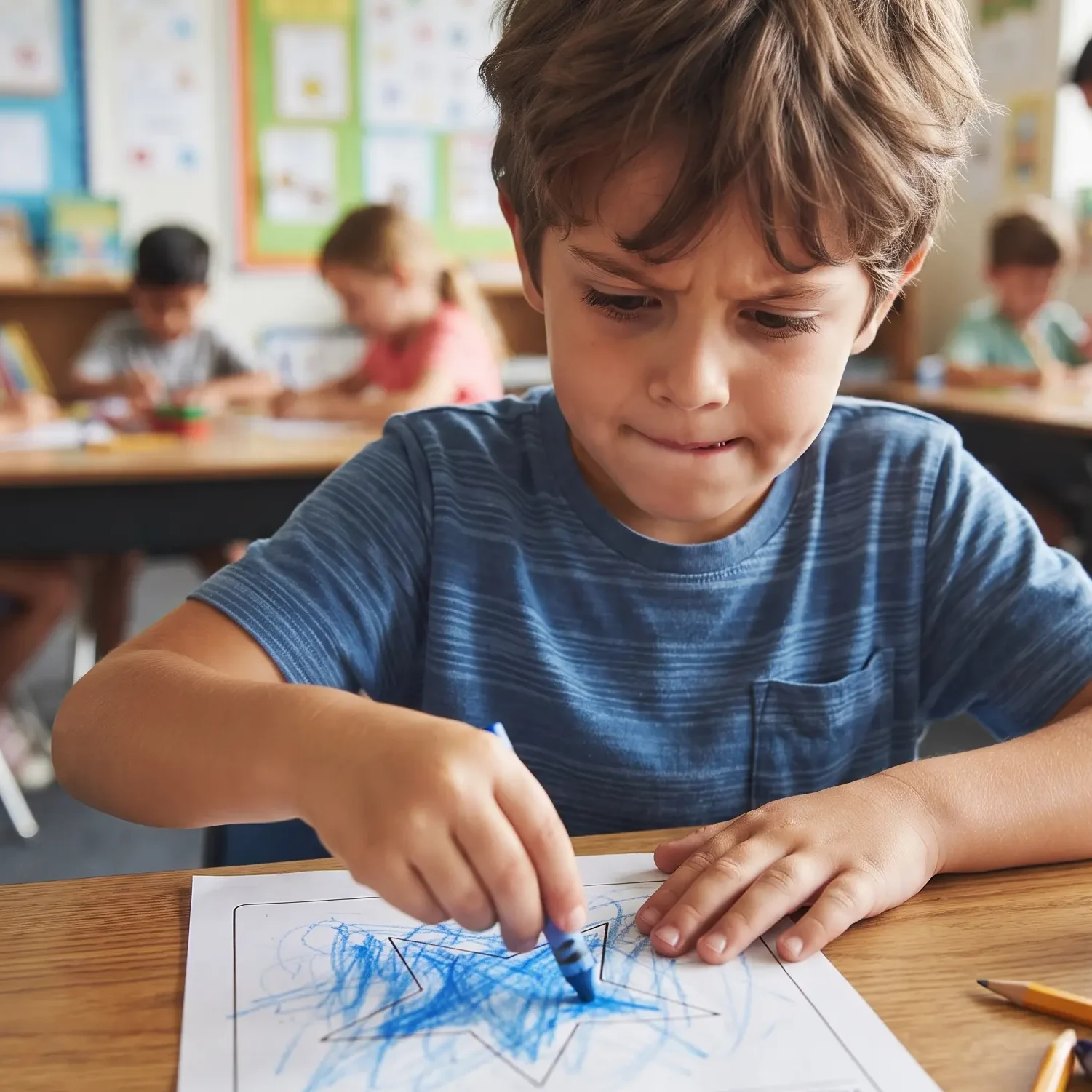
When a child’s ability to use both eyes together is impaired, they might have trouble with tasks that need good coordination between their vision and movement.
If you notice persistent eye misalignment, double vision, unusual head positioning, or changes in vision, a professional eye examination is recommended.
How Is Squint Diagnosed?
Finding the best treatment for squint eyes begins by figuring out why the eyes aren’t aligned and how well they are working together. A full eye check-up can help find out what kind of squint someone has and which visual abilities might be impacted.
Important Assessments for Squint
1. Visual Acuity Assessment
The eye-care professional checks how clearly each eye can see at different distances.
2. Eye Alignment Assessment
Different tests can be used to observe whether one eye deviates and in which direction.
3. Binocular Vision Assessment
The ability of both eyes to work together is evaluated. This is particularly important when considering vision therapy.
4. Eye Movement Evaluation
Eye movements, tracking, focusing, and coordination may be assessed to know the functional aspects of the condition.
5. Refractive Assessment
The eye’s prescription is evaluated to determine whether glasses or other optical correction may be required.
6. Amblyopia Assessment
In children, assessment for lazy eye treatment may be important because amblyopia can be associated with strabismus.
A personalized assessment helps determine whether glasses, prism correction, vision therapy, surgery, or a combination of approaches may be appropriate.
Squint Eye Treatment Options
The right squint eye treatment depends on its cause, severity, age, and visual needs. Treatment may include glasses, prism correction, vision therapy, or surgery.
1. Vision Therapy
Vision therapy uses personalized, supervised activities to improve eye coordination, focusing, tracking, binocular vision, and depth perception.
For selected cases of squint, it may help develop better visual skills and eye teaming, supporting more comfortable and effective use of both eyes during everyday activities.
2. Prescription Glasses
Glasses can correct refractive errors and may help improve eye alignment and visual clarity in certain types of squint.
3. Prism Glasses
Prism lenses can help manage double vision and support comfortable binocular vision in selected patients with specific alignment problems.
4. Squint Eye Treatment Without Surgery
Non-surgical treatment may be possible in selected cases and can include:
- Prescription glasses to correct refractive errors
- Prism correction for suitable patients
- Vision therapy to improve visual skills and coordination
- Personalized eye exercises prescribed after assessment
- Binocular vision training to improve teamwork between both eyes
- Home-based activities as part of a supervised therapy program
Squint Eye Treatment Exercise: Can Exercises Help?
Searches for “squint eye treatment exercise” are common, particularly among parents and adults looking for home solutions. However, eye exercises should not be treated as a universal cure for squint.
Possible Visual Therapy Activities
- Eye Tracking Activities
- Focusing Activities
- Binocular Activities
- Computer-Based Visual Activities
- Home-Based Therapy Activities
Important: Avoid randomly performing eye exercises from the internet. The appropriate exercises depend on the individual’s visual problem, and an incorrectly selected exercise may not address the actual cause.
Squint Eye Treatment at Home: Is It Possible?
Squint eye treatment at home can be a part of a professionally supervised Vision Therapy program. Depending on the type and cause of squint, an eye-care professional may recommend specific activities to improve eye coordination, focusing, and the effective use of both eyes.
At Team Abhinav Maharwal, accessibility is no longer a barrier to treatment. We provide a Specialized Home Program and certified software-based therapies with video-call assistance for appropriate patients, allowing treatment to continue from the comfort of home.
You do not necessarily need to leave your job or studies or travel frequently for therapy. Vision Therapy Online can provide guided home-based treatment at a cost that may be lower than the travel expenses involved in regular clinic visits. All activities should be followed under professional guidance with scheduled follow-ups.
Squint Eye Surgery: When Is It Considered?
Surgery can be an appropriate treatment for certain types of strabismus, particularly when eye alignment cannot be adequately managed through other approaches or when surgery is otherwise clinically indicated.
Squint surgery usually involves adjusting the muscles around the eyes to change where the eyes point. Whether you need surgery depends on things like the kind and how much the eye is turned, your age, how well you see, any past treatments you’ve had, and the general health of your eyes.
Can Vision Therapy Be Used After Squint Surgery?
Not in selected cases rather Vision Therapy is a Must post surgery to maintain the success of the surgery long term otherwise brain again tries to misalign the eyes in most cases as there is no neural adaptation of the brain to use 2 eyes simultaneously.
Squint Eye Treatment Cost in India
One of the most common searches is “squint eye treatment cost in India.
There is no single fixed price because treatment costs can vary depending on:
- Type and severity of squint
- Patient’s age
- Diagnostic tests required
- Consultation fees
- Type of treatment selected
- Number of vision therapy sessions
- Whether surgery is recommended
- Hospital or clinic location
- Follow-up requirements
Therefore, instead of relying on a general online estimate, it is better to undergo a comprehensive assessment and receive a personalized treatment plan and cost estimate.
Squint Eye Treatment in Children & Adults
| Squint Eye Treatment in Children | Squint Eye Treatment in Adults |
| Squint in children should be assessed early because visual development is still taking place. | Squint can affect adults who have had it since childhood or who develop eye misalignment later in life. |
| One eye may turn inward or outward. | Double vision may occur. |
| Frequent head tilting or turning may be noticed. | Eye strain or visual discomfort can occur. |
| A child may frequently close one eye. | Difficulty with depth perception may occur. |
| Difficulty judging distances can be a sign. | Headaches may occur in some individuals. |
| Unusual eye movements may be observed. | Changes in eye alignment should be evaluated. |
| Older children may experience double vision. | Newly developed squint should be assessed promptly. |
| Problems with visual coordination may occur. | A comprehensive eye and binocular vision assessment can help identify the underlying cause. |
| Early assessment can help identify associated amblyopia (lazy eye) and binocular vision problems. | Treatment depends on the cause, severity, visual function, and individual requirements. |
| A professional assessment helps determine the most suitable squint eye treatment. | Depending on the condition, treatment may include glasses, prism correction, vision therapy, or other appropriate management. |
When Should You Consult an Eye Specialist?
Consulting an eye specialist is important if you notice persistent or newly developed eye misalignment, double vision, or changes in how the eyes work together. Early evaluation can help identify the cause of squint and determine suitable squint eye treatment.
Parents should talk to a professional if a child’s eye looks off, often shuts one eye, or tilts their head when looking at things. Adults who suddenly notice their eyes drifting, see double, feel eye fatigue, or have trouble judging distances should get a full eye and binocular vision checkup instead of trying to fix it with exercises they choose on their own.
How Dr. Abhinav Maharwal Can Help With Squint Eye Treatment
Dr. Abhinav Maharwal focuses on neuro vision, vision therapy, and special contact lenses, and has worked with conditions like squint and amblyopia. The clinic provides Vision Therapy in India, Squint Eye Treatment in delhi and jaipur, and some Vision Therapy Online services.
A tailored method can help spot which visual abilities need improvement and figure out if vision therapy, adjusting glasses, seeing a doctor for surgery, or another solution is the best choice.
For individuals looking for squint eye treatment in delhi and jaipur,a comprehensive eye and binocular vision assessment can be the first step toward Knowing the condition and available treatment options.
Conclusion
Squint is not just about an eye that looks crooked. It can influence how the eyes work together, seeing with both eyes at the same time, judging distance, and feeling more comfortable when looking around. The best treatment for a squinting eye depends on the person’s age, the kind of squint they have, the reason it’s happening, and their visual needs.
At Dr. Abhinav Maharwal Vision Therapy Clinic in Delhi and Jaipur, we provide personalized solutions including Vision Therapy, Squint Eye Treatment, Amblyopia (Lazy Eye Treatment), Convergence Insufficiency Treatment, Neuro Vision Therapy, and Vision Therapy Online.
If you are looking for Vision Therapy in Delhi and jaipur, professional assessment can help determine the most suitable treatment approach.
Ready to know your vision better?
Contact Dr. Abhinav Maharwal In Delhi and Jaipur for a comprehensive assessment and personalized vision care plan.
FAQ’s
The best treatment depends on the type, cause, severity, age, and visual function of the patient. Options can include glasses, prism correction, “vision therapy” or surgery when clinically indicated.
No in select cases rather in Most of the cases “Vision Therapy” is the best and most successful treatment Option, given the fact most squint cases are brain issues related and not related to eye muscles weakness as commonly aasumed.
Eye exercises are not a universal cure for squint. Specific visual activities may be prescribed as part of a personalized vision therapy program when appropriate.
Some patients may receive home-based activities as part of a professionally supervised vision therapy program. Self-prescribed exercises should be avoided.
The cost varies according to the diagnosis, treatment method, clinic, number of sessions, tests, and whether surgery is required. A personalized assessment is needed for an accurate estimate.
No. Squint can affect both children and adults. Treatment options depend on the individual’s condition and visual requirements.
Vision therapy may help selected patients by working on visual skills such as eye coordination, binocular vision, focusing, and depth perception. Suitability should be determined through a professional assessment.
Selected vision therapy activities and follow-up care may be provided online. However, some examinations and assessments require an in-clinic visit.
Recurrence can occur in some cases, depending on the underlying cause and treatment. Regular follow-up can help monitor eye alignment and visual function.
Patients looking for Squint Eye Treatment in Jaipur can consult Dr. Abhinav Maharwal’s vision therapy clinic in Delhi and Jaipur for a comprehensive assessment and personalized treatment guidance.